Buy buecherx.eu ?
We are moving the project
buecherx.eu .
Are you interested in purchasing the domain
buecherx.eu ?
domain@kv-gmbh.de · 0541-91531010
Buy buecherx.eu ?
What are biotic factors in Antarctica?
Biotic factors in Antarctica include various species of plants, algae, lichens, fungi, and bacteria that have adapted to the extreme cold temperatures and harsh conditions of the continent. Some examples of biotic factors in Antarctica include mosses, grasses, and lichens that can be found in certain ice-free areas, as well as penguins, seals, and seabirds that inhabit the surrounding waters. These organisms play a crucial role in the Antarctic ecosystem, contributing to the overall biodiversity and functioning of the region. **
What are biotic factors in the garden?
Biotic factors in the garden are living organisms that play a role in the ecosystem. This includes plants, animals, insects, fungi, and bacteria. These organisms interact with each other and with the non-living elements in the garden, such as soil and water, to create a balanced and healthy environment. Biotic factors contribute to the overall biodiversity and sustainability of the garden ecosystem. **


Similar search terms for Biotic
Top-Angebote
Products related to Biotic:
-
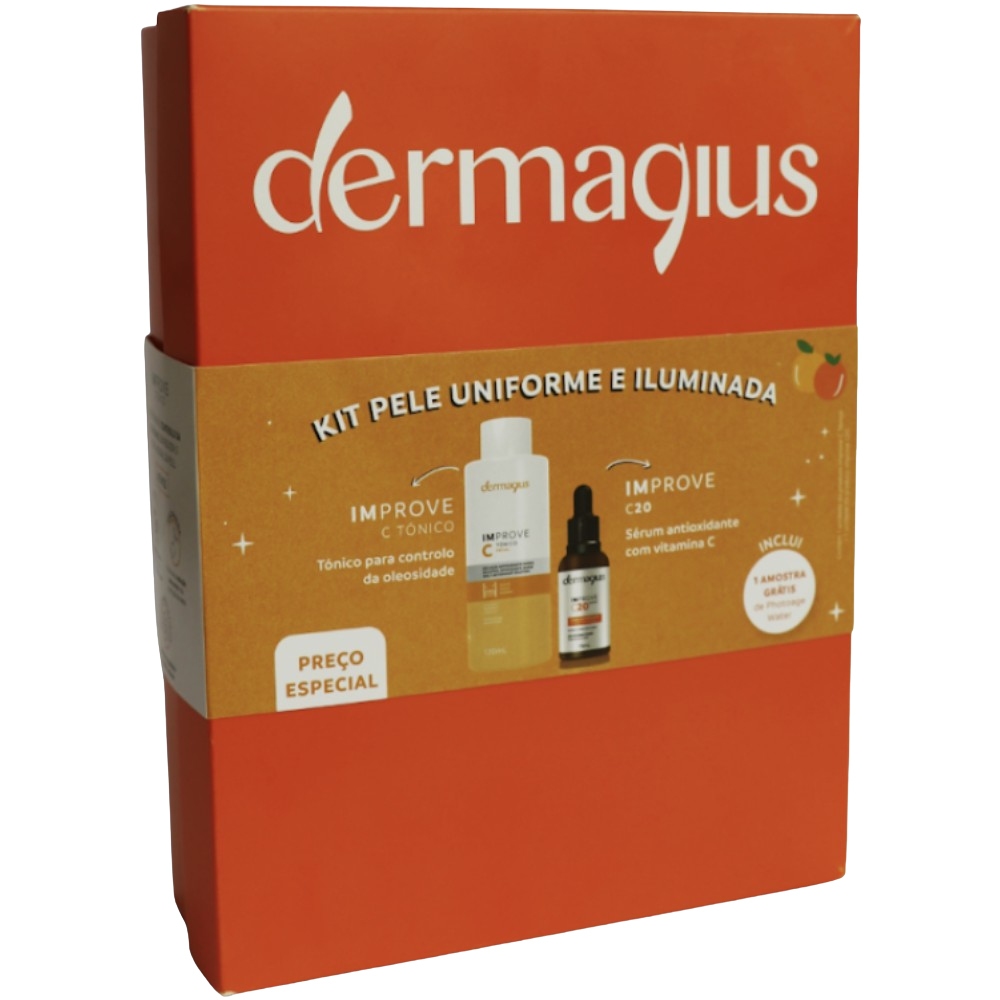
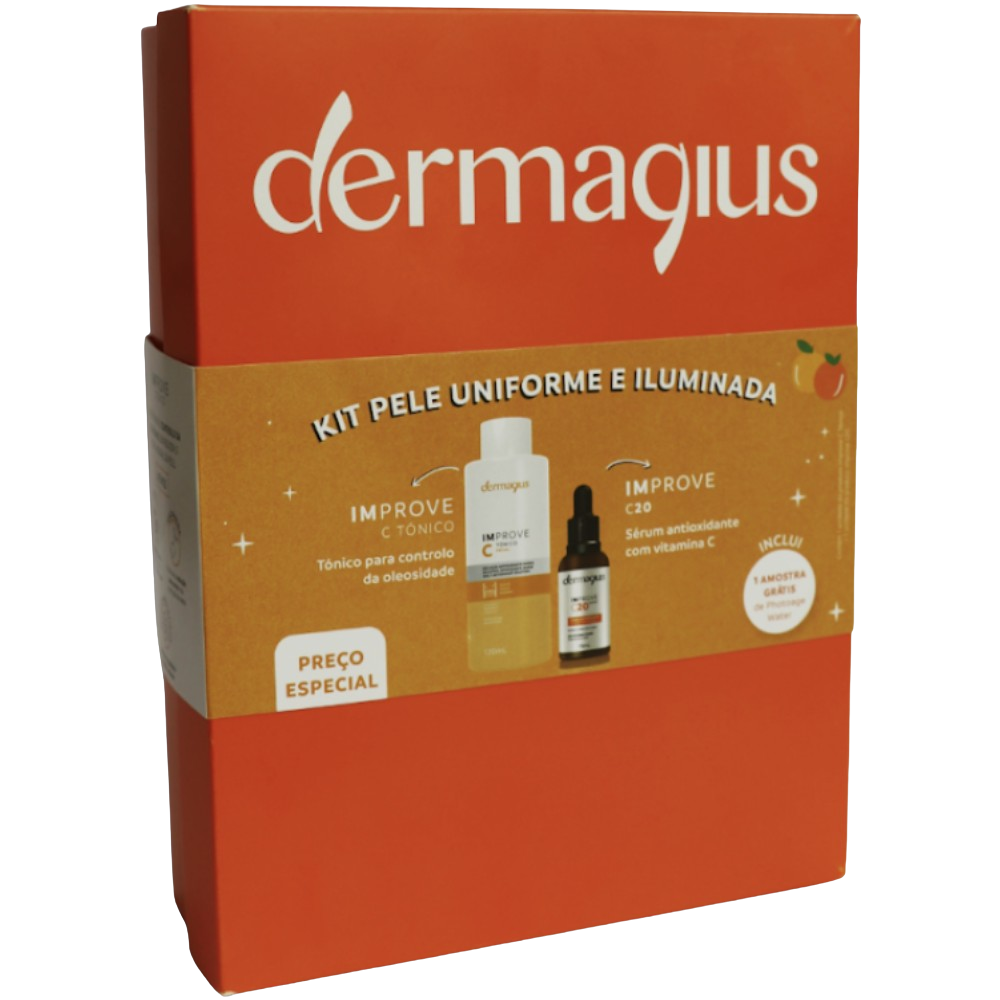
Dermagius Improve C 20 Biotic Serum AntioxidantA facial serum. Unveil radiant, youthful skin with Improve C 20 Biotic Serum. Powered by 20% Vitamin C, it brightens, protects, and rejuvenates for a flawless complexion. Potent antioxidant protection: 20% nanoencapsulated Vitamin C combats environmental damage. Microbiome support: Strengthens skin’s barrier with Prebiotics for enhanced resilience.34,09 £*Shipping: 10,02 £Secure redirect to the provider
-
Dermagius Improve C 30 Biotic Serum Antioxidant 30mLA facial serum. Maximum antioxidant power: 30% nanoencapsulated Vitamin C shields against environmental damage. Microbiome balance: Prebiotics strengthen the skin’s natural protective barrier. Anti-aging benefits: Smooths fine lines and boosts collagen and elastin for youthful skin. Radiant complexion: Brightens and evens skin tone for a luminous glow.37,38 £*Shipping: 5,34 £Secure redirect to the provider
-
Atlantic Books The Tao of Bowie: 10 Lessons from David Bowie's Life to Help You Live Yours by Mark Edwards - Hardback Non-Fiction - Self-Help Music Biography GiftDiscover the wisdom of David Bowie in 'The Tao of Bowie: 10 Lessons from David Bowie's Life' by Mark Edwards. This thought-provoking self-help book draws on the artist's extraordinary journey, blending biography with practical wisdom. Written by journalist and life coach Mark Edwards, it explores themes of reinvention, creativity, and spiritual searching through the lens of Buddhism, philosophy, and Bowie's restless curiosity. The book offers a fresh and accessible route to meaning, resilience, and self-understanding, making it perfect for Bowie fans, music lovers, and anyone facing change. When life gets difficult, Mark Edwards suggests looking to David Bowie for guidance, tracing threads running through his career and showing how his fearless reinventions, devotion to Buddhist thought, and fascination with psychology and philosophy can inspire personal growth.7,99 £*Shipping: 2,99 £Secure redirect to the provider



-
What are biotic factors in the Antarctic?
Biotic factors in the Antarctic include various species of algae, mosses, lichens, and other plants that are able to survive in the extreme cold and harsh conditions. Additionally, there are a variety of animal species such as penguins, seals, and various types of birds that have adapted to the Antarctic environment. These biotic factors play a crucial role in the Antarctic ecosystem, contributing to the overall biodiversity and functioning of the region. **
-
What biotic factors characterize the desert habitat?
Biotic factors in the desert habitat include a variety of plant species that have adapted to the arid conditions, such as cacti, succulents, and drought-resistant shrubs. In addition, desert habitats are home to a diverse range of animal species, including reptiles like snakes and lizards, mammals like coyotes and kangaroo rats, and birds like roadrunners and owls. These biotic factors have evolved to survive in the harsh desert environment, often with specialized adaptations for conserving water and finding food in the sparse landscape. **
-
What are biotic factors in the mangrove swamp?
Biotic factors in the mangrove swamp include various plant species such as mangrove trees, shrubs, and grasses that provide habitat and food for a diverse range of animals. These animals include crabs, snails, insects, birds, and fish that rely on the mangrove ecosystem for shelter, food, and breeding grounds. Bacteria and fungi also play a crucial role in breaking down organic matter and recycling nutrients within the mangrove swamp. Overall, the interactions between these biotic factors contribute to the overall health and functioning of the mangrove ecosystem. **
-
What are abiotic and biotic factors for humans?
Abiotic factors for humans include non-living elements such as air quality, temperature, and sunlight exposure. These factors can directly impact human health and well-being. Biotic factors for humans involve living organisms that interact with humans, such as pathogens, parasites, and symbiotic organisms like gut bacteria. These factors can also have significant effects on human health and disease. **

Which biotic and abiotic factors influence the sea?
Biotic factors that influence the sea include the presence of marine plants and animals, which contribute to the overall ecosystem and food web. These organisms play a crucial role in the health and balance of the marine environment. Abiotic factors such as temperature, sunlight, water chemistry, and currents also have a significant impact on the sea. These factors affect the physical and chemical properties of the water, as well as the distribution and behavior of marine life. Overall, both biotic and abiotic factors play a crucial role in shaping the marine environment and its inhabitants. **
What are abiotic and biotic factors in biology?
Abiotic factors in biology are non-living components of an ecosystem, such as temperature, sunlight, water, and soil. These factors can have a significant impact on the organisms living in the ecosystem. Biotic factors, on the other hand, are living components of an ecosystem, including plants, animals, fungi, and microorganisms. These factors interact with each other and with the abiotic factors to create a complex and dynamic environment. Both abiotic and biotic factors play crucial roles in shaping the structure and function of ecosystems. **
Top-Angebote
Products related to Biotic:
-
Various Joblot Wholesale of 20 Non-Fiction Books Collection Set Self-Help, Health, Biography, Cooking, Business, Craft, Hobbies and morePlease Note: £12.99 delivery charge applies to all Joblot and Bulk Buy orders. Joblot Wholesale of 20 Non-Fiction Books Collection Set Self-Help, Health, Biography, Cooking, Business, Craft, Hobbies, Travels, Finance and more. We are one of the biggest on-line retailers in the UK - with thousands of books in stock, sometimes we get clearance lines and end of lines that we need to shift from our warehouse, this box will contain 20 books which will be brand new (may have some shelve ware or dust on them) 20 Non-Fiction books Chosen randomly Brand new books Best seller and popular authors books Collection of reading, learning and educational material Parcel will be delivered by Courier Related Tags: Usborne, Usbourne NOTE: THESE ARE RANDOMLY PICKED AND MAY HAVE DUPLICATE TITLES NOTE: NOT SUITABLE FOR SCHOOL27,00 £*Shipping: 2,99 £Secure redirect to the provider
-
Dermalogica Breakout Biotic Moisturiser 50mlDermalogica's daily gel targets and helps prevent breakouts. The lightweight moisturiser, with a prebiotic blend hydrates and supports skin’s microbiome, helping ageing skin look healthier, now and in the future. Formulated for adult skin, it hydrates while helping to reduce breakouts and post-breakout marks. The difference? It supports the skin’s microbiome, not just clears the surface. Clinical Results - Visible improvement in 20 minutes* - Clinically proven: clearer-looking skin in 5 days* - Helps reduce breakouts and prevent future ones - Balances oil and supports a healthy skin barrier - Lightweight, non-greasy texture that layers easily *independent clinical results. Based on a 6 week study with 31 volunteers, 2 applications/day Key Ingredients Bioengineered Plankton Extract and Glycerin hydrate skin’s barrier, helping to defend against signs of premature ageing and soothe skin. A prebiotic blend with Indian Mulberry, Glutamic Acid, and Agave-derived Inulin hydrates and helps balance skin’s microbiome. Salicylic Acid reduces breakouts by exfoliating away dead skin cells, helping to keep pores clear and prevent future breakouts. Niacinamide and Jojoba strengthen the skin barrier, helping to reduce the look of pores and post-blemish marks to brighten and smooth. Manuka and Magnolia extracts visibly reduce sebum for more balanced skin. *independent clinical results. Based on a 6 week study with 31 volunteers, 2 applications/day Ingredients Water/Aqua/Eau, Butylene Glycol, Propanediol, Niacinamide, Octyldodecanol, Ethylhexyl Olivate, Glycerin, Erythritol, Inulin, Cetearyl Olivate, Salicylic Acid, Lavandula Angustifolia (Lavender) Oil, Lavandula Hybrida Oil, Citrus Limon (Lemon) Peel Oil, Salvia Sclarea (Clary) Oil, Hydrolyzed Jojoba Esters, Morinda Citrifolia Fruit Extract, Leptospermum Scoparium Branch/Leaf Oil, Phaeodactylum Tricornutum Extract, Magnolia Officinalis Bark Extract, Piper Nigrum (Pepper) Seed Extract, Rosmarinus Officinalis (Rosemary)69,00 £*Shipping: 0,00 £Secure redirect to the provider
-
Dermagius Improve C 20 Biotic Serum AntioxidantA facial serum. Unveil radiant, youthful skin with Improve C 20 Biotic Serum. Powered by 20% Vitamin C, it brightens, protects, and rejuvenates for a flawless complexion. Potent antioxidant protection: 20% nanoencapsulated Vitamin C combats environmental damage. Microbiome support: Strengthens skin’s barrier with Prebiotics for enhanced resilience.34,09 £*Shipping: 10,02 £Secure redirect to the provider
-
Dermagius Improve C 30 Biotic Serum Antioxidant 30mLA facial serum. Maximum antioxidant power: 30% nanoencapsulated Vitamin C shields against environmental damage. Microbiome balance: Prebiotics strengthen the skin’s natural protective barrier. Anti-aging benefits: Smooths fine lines and boosts collagen and elastin for youthful skin. Radiant complexion: Brightens and evens skin tone for a luminous glow.37,38 £*Shipping: 5,34 £Secure redirect to the provider
-
What are biotic factors in Antarctica?
Biotic factors in Antarctica include various species of plants, algae, lichens, fungi, and bacteria that have adapted to the extreme cold temperatures and harsh conditions of the continent. Some examples of biotic factors in Antarctica include mosses, grasses, and lichens that can be found in certain ice-free areas, as well as penguins, seals, and seabirds that inhabit the surrounding waters. These organisms play a crucial role in the Antarctic ecosystem, contributing to the overall biodiversity and functioning of the region. **
-
What are biotic factors in the garden?
Biotic factors in the garden are living organisms that play a role in the ecosystem. This includes plants, animals, insects, fungi, and bacteria. These organisms interact with each other and with the non-living elements in the garden, such as soil and water, to create a balanced and healthy environment. Biotic factors contribute to the overall biodiversity and sustainability of the garden ecosystem. **
-
What are biotic factors in the Antarctic?
Biotic factors in the Antarctic include various species of algae, mosses, lichens, and other plants that are able to survive in the extreme cold and harsh conditions. Additionally, there are a variety of animal species such as penguins, seals, and various types of birds that have adapted to the Antarctic environment. These biotic factors play a crucial role in the Antarctic ecosystem, contributing to the overall biodiversity and functioning of the region. **
-
What biotic factors characterize the desert habitat?
Biotic factors in the desert habitat include a variety of plant species that have adapted to the arid conditions, such as cacti, succulents, and drought-resistant shrubs. In addition, desert habitats are home to a diverse range of animal species, including reptiles like snakes and lizards, mammals like coyotes and kangaroo rats, and birds like roadrunners and owls. These biotic factors have evolved to survive in the harsh desert environment, often with specialized adaptations for conserving water and finding food in the sparse landscape. **
Similar search terms for Biotic
-
Atlantic Books The Tao of Bowie: 10 Lessons from David Bowie's Life to Help You Live Yours by Mark Edwards - Hardback Non-Fiction - Self-Help Music Biography GiftDiscover the wisdom of David Bowie in 'The Tao of Bowie: 10 Lessons from David Bowie's Life' by Mark Edwards. This thought-provoking self-help book draws on the artist's extraordinary journey, blending biography with practical wisdom. Written by journalist and life coach Mark Edwards, it explores themes of reinvention, creativity, and spiritual searching through the lens of Buddhism, philosophy, and Bowie's restless curiosity. The book offers a fresh and accessible route to meaning, resilience, and self-understanding, making it perfect for Bowie fans, music lovers, and anyone facing change. When life gets difficult, Mark Edwards suggests looking to David Bowie for guidance, tracing threads running through his career and showing how his fearless reinventions, devotion to Buddhist thought, and fascination with psychology and philosophy can inspire personal growth.7,99 £*Shipping: 2,99 £Secure redirect to the provider
-
Dermagius Improve C 20 Biotic Serum AntioxidantA facial serum. Unveil radiant, youthful skin with Improve C 20 Biotic Serum. Powered by 20% Vitamin C, it brightens, protects, and rejuvenates for a flawless complexion. Potent antioxidant protection: 20% nanoencapsulated Vitamin C combats environmental damage. Microbiome support: Strengthens skin’s barrier with Prebiotics for enhanced resilience.34,09 £*Shipping: 10,02 £Secure redirect to the provider
-
Dermagius Improve C 20 Biotic Serum Antioxidant 30mLA facial serum. Unveil radiant, youthful skin with Improve C 20 Biotic Serum. Powered by 20% Vitamin C, it brightens, protects, and rejuvenates for a flawless complexion. Potent antioxidant protection: 20% nanoencapsulated Vitamin C combats environmental damage. Microbiome support: Strengthens skin’s barrier with Prebiotics for enhanced resilience.32,18 £*Shipping: 5,34 £Secure redirect to the provider
-
What are biotic factors in the mangrove swamp?
Biotic factors in the mangrove swamp include various plant species such as mangrove trees, shrubs, and grasses that provide habitat and food for a diverse range of animals. These animals include crabs, snails, insects, birds, and fish that rely on the mangrove ecosystem for shelter, food, and breeding grounds. Bacteria and fungi also play a crucial role in breaking down organic matter and recycling nutrients within the mangrove swamp. Overall, the interactions between these biotic factors contribute to the overall health and functioning of the mangrove ecosystem. **
-
What are abiotic and biotic factors for humans?
Abiotic factors for humans include non-living elements such as air quality, temperature, and sunlight exposure. These factors can directly impact human health and well-being. Biotic factors for humans involve living organisms that interact with humans, such as pathogens, parasites, and symbiotic organisms like gut bacteria. These factors can also have significant effects on human health and disease. **
-
Which biotic and abiotic factors influence the sea?
Biotic factors that influence the sea include the presence of marine plants and animals, which contribute to the overall ecosystem and food web. These organisms play a crucial role in the health and balance of the marine environment. Abiotic factors such as temperature, sunlight, water chemistry, and currents also have a significant impact on the sea. These factors affect the physical and chemical properties of the water, as well as the distribution and behavior of marine life. Overall, both biotic and abiotic factors play a crucial role in shaping the marine environment and its inhabitants. **
-
What are abiotic and biotic factors in biology?
Abiotic factors in biology are non-living components of an ecosystem, such as temperature, sunlight, water, and soil. These factors can have a significant impact on the organisms living in the ecosystem. Biotic factors, on the other hand, are living components of an ecosystem, including plants, animals, fungi, and microorganisms. These factors interact with each other and with the abiotic factors to create a complex and dynamic environment. Both abiotic and biotic factors play crucial roles in shaping the structure and function of ecosystems. **
* All prices are inclusive of VAT and, if applicable, plus shipping costs. The offer information is based on the details provided by the respective shop and is updated through automated processes. Real-time updates do not occur, so deviations can occur in individual cases. ** Note: Parts of this content were created by AI.